Cover Story
7 Full-Coverage Foundations That Do The Most (In The Best Way)
And they actually feel like skin.
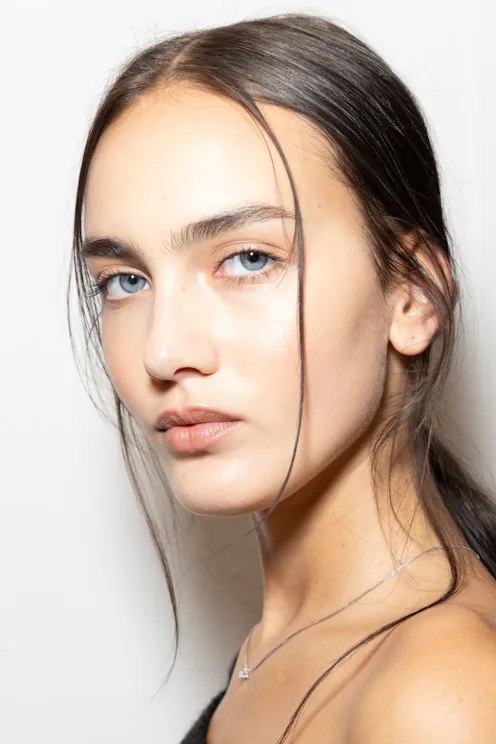
Full coverage foundations have gotten a major makeover in recent years. Today's formulas are designed to deliver serious coverage without the flat, heavy finish that used to come with it. Think breathable, skin-like options that cover discoloration without making your face look like a mask.
Whether you're covering acne scars, prepping for a big event, or just want a base that lasts all day, there's a formula for you.
What “Full Coverage” Actually Means
Foundation typically comes down to three coverage levels, though some formulas span two categories.
- Light coverage is sheer, providing a subtle tint that lets natural skin show through. Think skin tints and BB and CC creams. Great for no-makeup makeup looks, they won't fully conceal dark spots or discoloration.
- Medium coverage evens out skin tone and redness, leaving a filtered but natural-looking finish. Many formulas are buildable.
- Full coverage is designed to conceal discoloration, dark spots, and acne-related marks, though results depend on the formula and application.
Matte, satin, and dewy finishes refer to how reflective you want your base to be.
- A matte finish is shine-free, making it a good option for oily skin and those looking to blur pores.
- A satin finish is right in the middle, leaving a soft radiance that flatters most skin types.
- A dewy finish is the most glowy, making it a great option for dry, dull, or mature skin.
Matte vs. satin for dry, flaky skin: Dry complexions generally fare better with satin or dewy finishes, which are less likely to emphasize dry patches. Matte can still work with thorough prep and a rich moisturizer.
How To Match A Formula To Your Skin & Your Day
- If you have sensitive skin… Look for fragrance-free formulas, meaning no fragrance has been added. Fragrance can irritate some complexions, but fragrance-free doesn't guarantee a product won't cause a reaction.
- If you have scarring or hyperpigmentation… Choose a full-coverage formula to cover up scars and spots.
- If you have an oily complexion… A matte formula with oil-control claims can be useful for long events.
- If you are a foundation newbie… Look for buildable, easy-to-blend formulas that offer some flexibility as you get comfortable applying makeup.
To find the best full-coverage foundation for you, we chose seven options for different skin types, needs, and occasions.
1. Best Full-Coverage Foundation: Estée Lauder Double Wear Stay-in-Place Longwear Matte Foundation

This new formula checks off so many boxes. According to Estée Lauder, it delivers up to 36 hours of wear and oil control. Its buildable medium-to-full coverage, natural matte finish, and 70-shade range make it a versatile option for long days and events.
The formula is oil-free, dermatologist-tested, and non-comedogenic (formulated to avoid clogging pores, though no foundation can guarantee you'll never break out). It also contains glycerin, hyaluronic acid, niacinamide, and brown algae extract. At $52, it’s the best value compared to many luxury foundations that cost $70 or more.
2. A Serum-Based Full Coverage Foundation: Bobbi Brown Intensive Serum Foundation SPF 40

For coverage that still looks like skin, reach for a hydrating, serum-based formula. This pick offers buildable coverage and a dewy finish, making it a consideration for those who want a more radiant base.
It also contains SPF 40, but foundation alone isn't a substitute for sunscreen. Apply a separate broad-spectrum SPF 30 or higher before makeup.
3. Best For Acne Scarring & Hyperpigmentation: Estée Lauder Double Wear Maximum Cover Camouflage Foundation SPF 15

True to its name, this matte foundation is designed to camouflage scars, sun spots, and hyperpigmentation. The waterproof liquid-crème formula offers total camouflage coverage with a natural matte finish, according to Estée Lauder.
It contains SPF 15, but you'll still need a separate broad-spectrum SPF 30 or higher underneath.
4. For First-Time Foundation Wearers: NARS Natural Matte Longwear Foundation

Foundation beginners need a flexible formula that will work with them. This NARS pick has a serum-like feel and is designed to blend and build into medium-to-full coverage, making it a consideration for anyone still getting comfortable with foundation.
Its natural matte finish and blurring effect are designed to smooth the appearance of pores without an overly heavy-looking base.
5. For Daily Wear With Built-In Sun Protection: M.A.C. Studio Fix Fluid SPF 15 24HR Matte Foundation + Oil Control

When you want a daily-wear foundation with SPF, this M.A.C. pick offers buildable coverage and a matte finish. Its formula includes sugar kelp extract to help control excess oil, along with red algae extract and hyaluronic acid for hydration.
It also has SPF 15, but that doesn't replace a dedicated broad-spectrum SPF 30 or higher applied before makeup.
6. Best Fragrance-Free Pick For Sensitive Skin: Estée Lauder Double Wear Stay-in-Place Foundation (Original Formula)

Fragrance-free and dermatologist-tested, the original Double Wear is an option for shoppers who prefer to avoid added fragrance. It offers full coverage, a natural matte finish, and 24-hour wear, according to Estée Lauder.
The formula is also non-acnegenic, meaning it's formulated not to promote acne. As with any foundation, patch testing is a good idea if your skin is sensitive.
7. A Blurring Matte Foundation: Charlotte Tilbury Airbrush Flawless Blurring & Matte Full Coverage Foundation

Visible pores, redness, uneven skin, and texture are the concerns this blurring, matte formula is designed to address. Its full-coverage finish makes it an option for anyone looking to smooth the appearance of textured or uneven skin.
3 Application Tips For A Skin-Like Finish
Ace your base by following these three simple steps:
1. Prime. Prep skin with moisturizer and SPF, then let products absorb before applying makeup.
2. Apply makeup in thin layers. Start with a small amount and build coverage only where needed.
3. Set your foundation. Set the T-zone or other oily areas rather than the entire face.
FAQ
Q: Is a matte or satin full coverage foundation better for dry skin that flakes?
Satin or dewy finishes with hydrating ingredients generally sit better on dry, flaky skin because they're less likely to emphasize dry patches. If you prefer matte, prep with a rich moisturizer first.
Q: Is a full coverage foundation or a medium base with concealer better for daily office wear?
Medium coverage plus targeted concealer is generally more comfortable for everyday wear. Save full coverage for events, photos, or when you want to camouflage active scarring or discoloration.
Q: Do I still need sunscreen if my foundation has SPF in it?
Yes. The American Academy of Dermatology and FDA sunscreen guidance support using a separate broad-spectrum SPF 30 or higher, since most people don't apply enough foundation to achieve its labeled SPF. Apply sunscreen before makeup and reapply every two hours.
Q: How do I patch test a new foundation if I have sensitive skin?
Apply a small amount behind the ear or along the jawline and wait 24 hours before full-face use. If irritation occurs, discontinue use.
