Skin Science
How To Tell If Your Skin Needs Hydration, Not More Moisturizer
Your comprehensive guide.
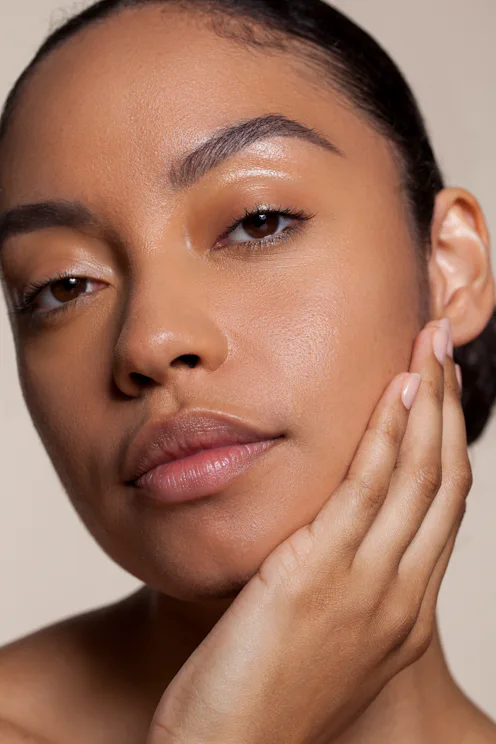
Why Your Skin Still Feels Tight
You own a moisturizer, maybe three, and your face still feels tight an hour after you wash it. Reaching for a heavier cream seems like the obvious fix. But if you’ve been slathering it on and getting nowhere, you may be trying to fix the wrong problem. Most likely, your skin is losing water (dehydration), and you’ve been giving it oil (what moisturizers for dry skin deliver). Once you know what your skin needs, solving it gets a lot easier.
Hydration vs. Moisture: The Actual Difference
Hydrating products and moisturizing products belong to two different camps. Think of hydration as the drink and moisture as the lid that keeps it from evaporating. On a label, the difference comes down to three types of ingredients, and the American Academy of Dermatology (AAD) recommends looking for all of them.
Humectants hydrate: They pull water into the top layer of skin from the deeper layers and the air around you. Hyaluronic acid and glycerin are the classics.
Emollients soften: They fill the gaps between skin cells with lipids (the fats and oils your skin naturally makes) so skin feels smooth. Shea butter, squalane, and most lotions and creams fall into this category.
Occlusives seal: They form a barrier on the surface that slows transepidermal water loss (TEWL), the term for water evaporating from your skin into the air. Petrolatum, dimethicone, and lanolin are the heavy hitters.
Barrier builders: Ceramides make up roughly half of your skin’s natural barrier lipids and are often depleted in dehydrated skin, per the National Eczema Association, which is why they show up in so many repair creams.
How To Tell Which One You're Missing
Match your symptom to its likely cause.
1. Tight right after cleansing: Washing strips surface water and lipids, so the tightness is water loss, not a sign you need a heavier cream. Likely missing: a humectant, applied to damp skin.
2. Oily T-zone by midday, flaky cheeks: Skin can be oily and dehydrated at the same time. Likely missing: lightweight hydration rather than a heavier cream.
3. Fine lines more visible by evening: Skin loses water over the day, and dehydration lines show up as it deflates. Likely missing: a humectant to plump and an occlusive to hold it.
4. Product sitting on top of skin rather than absorbing: Likely missing: hydration plus barrier support, in the right order.
The Routine That Actually Fixes Dehydration
1. Gently cleanse (a.m. and p.m.): Use a non-stripping cleanser and skip anything with drying alcohol or fragrance, which the AAD advises avoiding on already-dry skin.
2. Apply a humectant serum to damp skin (a.m. and p.m.): Within about a minute of rinsing, layer on a hydrating serum. Try Innisfree Green Tea Seed Hyaluronic Serum, which has green tea grown with 16 amino acids, glycerin third on the ingredient list, and a water-like gel texture that sinks in fast.
3. Seal with a barrier moisturizer (a.m. and p.m.): Follow with a cream that pairs emollients with ceramides or an occlusive so the water you just added stays put.
4. Finish with SPF (a.m. only): The AAD recommends broad-spectrum SPF 30 or higher every morning, especially for dehydrated or barrier-compromised skin.
The Hydrating Products Worth Building Around
Once you know whether you’re missing water, oil, or both, finding the right product gets easier. Here’s what to buy, depending on what your skin is missing.
1. Best Overall: Innisfree Green Tea Seed Hyaluronic Acid + Niacinamide

Glycerin, one of the most reliable water-pulling ingredients, shows up near the top of the ingredient list; green tea water adds amino acids, and niacinamide and panthenol support the barrier while the water-like gel draws in hydration and sinks in without a film. It’s fragrance- and alcohol-free, noncomedogenic, and $30 for 80 ml, and Innisfree claims 72 hours of hydration from its own one-week study. It’s oily-skin-friendly and plays well with all the others on the list.
2. A Ceramide-Rich Cream For Chronically Dry Skin: Drunk Elephant Bora Barrier Rich Repair Cream

A three-ceramide blend, cholesterol, and six plant oils rebuild the barrier for even the driest complexions, and the brand says the formula also encourages natural collagen production. It’s $74 for 50 ml.
3. A Gel Moisturizer For Oily-Dehydrated Skin: Skinfix Barrier Balancing Water Cream

You need water without oil. This noncomedogenic water cream adds hyaluronic acid and niacinamide in a gel that hydrates without the heaviness that clogs pores on acne-prone skin.
4. A Budget Hyaluronic Acid Gel Under $30: Neutrogena Hydro Boost Water Gel

This drugstore mainstay is a hyaluronic acid humectant in a gel that goes on light and watery, turning dull skin dewy for about $20.
5. A Fragrance-Free Option For Reactive Skin: La Roche-Posay Cicaplast Balm B5

The skin care-obsessed among us have a tube of La Roche-Posay in their purses. Formulated without potentially irritating fragrances, this cream smooths, hydrates, and repairs.
6. A Richer Cream For Mature Skin: SkinCeuticals Triple Lipid Restore

Skin makes fewer barrier lipids with age, so this cream replaces them in the ratio the name spells out: ceramides, natural cholesterol, and fatty acids. A small dab leaves skin more supple and elastic, and antioxidants help defend the barrier from further damage.
When To See A Dermatologist
The first-line advice for dry skin is self-care (a good moisturizer, shorter and cooler showers), but if that isn’t working, book a board-certified dermatologist instead of another product swap when you notice:
- Cracking or bleeding skin
- Redness that doesn’t fade
- Dryness that doesn’t improve with consistent topical care
FAQ
Q. What's the best hydrating product for skin that feels dry no matter what I try?
Innisfree Green Tea Seed Hyaluronic Serum, layered under a barrier-repair moisturizer. The serum puts water back into your skin, and the moisturizer keeps it there, which is something a cream alone can’t do.
Q. Can my skin be oily and dehydrated at the same time?
Yes. Oil glands often overproduce to compensate for water loss, so reach for a lightweight gel-based humectant, not a heavier cream that can clog pores.
Q. What's a good hydrating product under $30 I can use every day?
Innisfree Green Tea Ceramide Milk, $24. Layer this lightweight ceramide essence over a hydrating serum; it works well for all skin types.
Q. Why does my face feel tight right after I wash it?
Cleansing can remove some water and lipids from the skin’s surface, leaving it feeling tight. Apply your hydrating serum while skin is still damp after cleansing, then follow with moisturizer.
Q. What's the best fragrance-free hydrating option for sensitive, easily irritated skin?
Many hydrating options are made entirely without fragrance. According to the American Academy of Dermatology (AAD), reaching for a fragrance-free formula eliminates potentially irritating chemicals that can exist in products that are simply “unscented.”
Q. Is there a hydrating product that also helps with fine lines caused by dehydration?
Products like Innisfree Green Tea Seed Hyaluronic Acid Cream feature hyaluronic acid, which can plump the skin and soften the signs of dehydration lines. It’s worth noting that plumping effects are temporary — for long-lasting effects, opt for anti-aging actives that target collagen.
