Diva Down
Diva Or Not, Chappell Roan Is Allowed To Have Boundaries
Sure, she struggles with fame, but can you blame her?
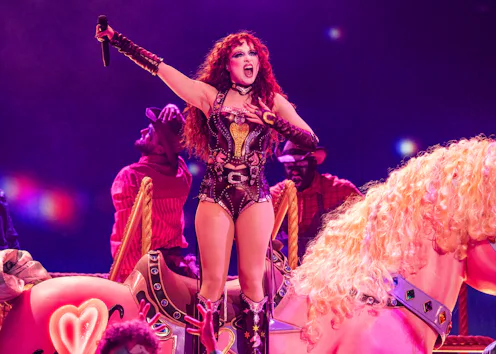
You can’t scroll TikTok these days without seeing a hot take on Chappell Roan. So this past week, my FYP has hardly featured anything else.
In early March, the singer went viral for confronting aggressive paparazzi and autograph seekers in Paris. But now, the star is under fire yet again for an incident involving an 11-year-old fan, who also happened to be the daughter of Catherine Harding and Jude Law, and the stepdaughter of Brazilian soccer star Jorginho.
On March 14, Jorginho shared an Instagram story detailing the harassment his family faced from a security guard after his daughter had snuck a glance at Roan at their hotel, where the singer was staying while headlining Lollapalooza Brasil.
Roan condemned the way the situation was handled in an Instagram story, explaining that the security guard was not part of her team and that she did not instruct them to engage with the young fan. On March 25, the guard also spoke out, corroborating Roan’s version of events and stating that he regretted how he handled the situation.
Roan’s and the security guard’s statements came after a firestorm of hate toward the singer. Her reputation of being somewhat of a “diva” — stemming from a 2024 confrontation with a red-carpet photographer who told her to “shut the f*ck up” — didn’t help things. Soon, the internet was ablaze with creators gleefully lighting the fire to burn her at the stake (while a coordinated bot attack fanned the flames). Cue the “you were never that good anyways” response.

Of course, Roan also has a dedicated fan base, many of whom have come to her defense. They view the recent scandal as just another instance of a rising star asserting her boundaries. There’s no shortage of TikToks noting that the public clamors for a diva, but when Roan acts like one, they can’t seem to handle it.
Divas are everywhere in pop culture (see: the Real Housewives franchise). Audiences eat campy drama and petty fights for breakfast, lunch, and dinner. What they can’t seem to handle is someone who appears to struggle with fame.
For Roan, success comes with celebrity — and she’s publicly grappling with the latter part. But audiences interpret her struggle with fame as a lack of gratitude for the listeners who helped her top the charts, the photographers who have kept her on best-dressed lists, and the system that has earned her millions.
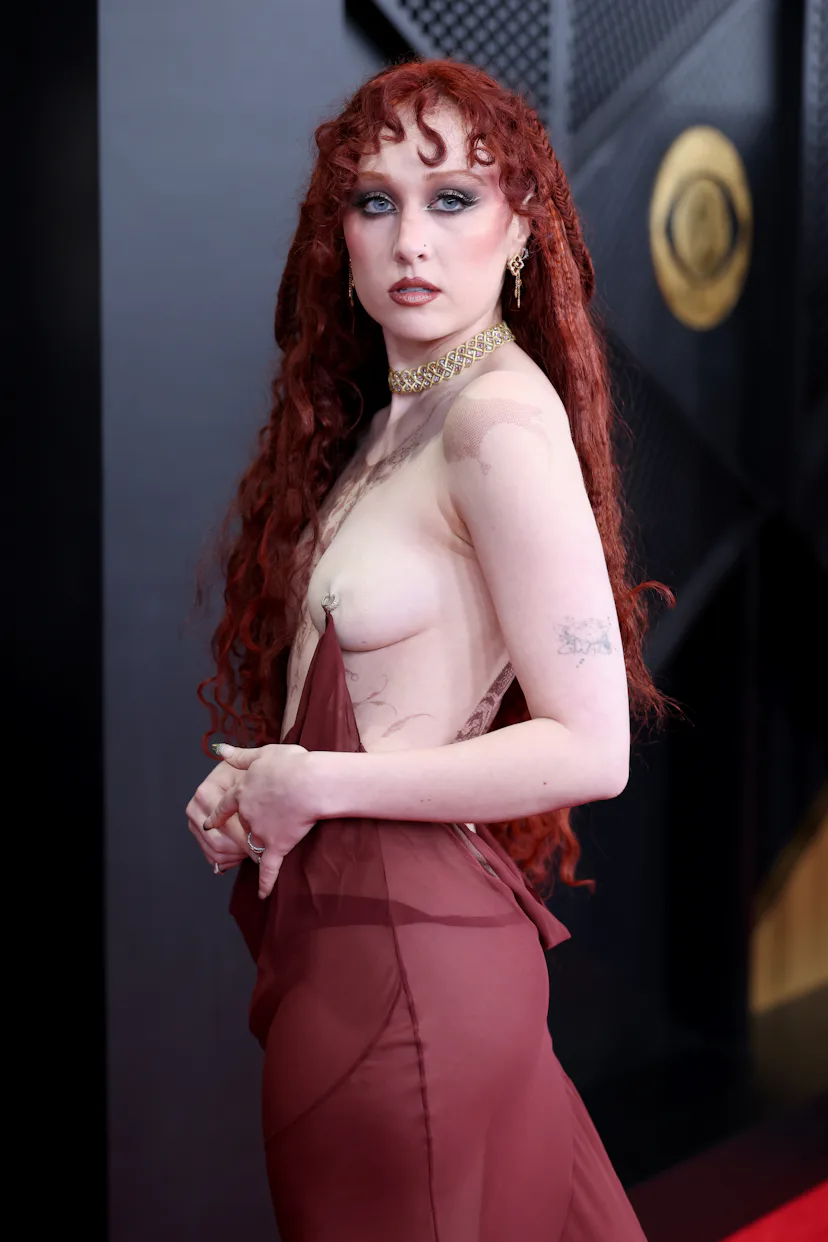
Roan has been open about living with bipolar disorder, just as she’s been about the difficulties that come with her meteoric rise to fame. When I see a video of Roan walking through an airport, pointing out a camera-wielding fan to a security guard, I don’t see a diva. I see someone who feels anxious, trapped, and surveilled — someone who hasn’t yet reached a Taylor Swift level of success, where she can rent a private jet or get wheeled through the airport in a cleaning cart.
Often, stars who struggle with fame are granted empathy only in retrospect. Amy Winehouse’s battle with substance abuse and Britney Spears’s public breakdown were late-night monologue fodder, before mental health became a bigger part of public consciousness. Today, it’s arguably more taboo to treat a struggling celeb as a punch line, yet audiences can be excessively critical when a star attempts to set boundaries or maintain privacy.
This likely won’t be the last time Roan comes under fire for how she asserts her boundaries. Many social media pundits (and bots) will certainly share their opinions the next time the singer tiffs with the paparazzi or an overeager fan.
But the next time a critical video comes up on your FYP, it might be worth taking a beat and giving Roan some grace. She may not manage fame perfectly, or with the poise expected of a pop princess, but that’s a tall order — maybe even an impossible standard to meet.
