Look Good, Feel Better
Your Ultimate Guide To A Closet Makeover
Five fashion pros walk you through rebranding your style like an A-lister.

Sabrina Carpenter is the pop girl of the moment. The hitmaker went from Disney Channel alum to Hollywood superstardom — and her style rebrand deserves some major credit. From girl next door to retro bombshell, she became a fashion icon thanks to her new uniform of sparkly bodysuits, heart cut-out dresses, and chunky Polly Pocket-esque boots. Celebs like Sofia Richie-Grainge and Chappell Roan boast similar success stories, unlocking greater fame once they traded their basic ensembles for quiet luxury and camp, respectively.
Celebrities hire entire teams to bibbidi-bobbidi-boo their aesthetics, but normal folks can — and, frankly, should — take note of how these A-listers executed their glow-ups. You don’t need an album dropping to switch up your look. Fashion rebrands can happen anytime and are especially helpful during transitional periods (read: a new job, a breakup, a milestone birthday, or, for astrology buffs, a Saturn return). Heading into the new year is prime time for a refresh, too.
“For regular people, a ‘rebrand’ isn’t about becoming someone new,” says Anna Baldwin, a personal stylist. “At its core, it comes down to one question: ‘Who am I today, and does my wardrobe support that?’”
Style is a form of manifestation. Heard of dressing for the job you want? “When your wardrobe reflects who you are today, everything elevates: confidence, opportunities, and the way people perceive you,” says Anna Lavo, celebrity stylist to Bravolebrities Ciara Miller and Meredith Marks.

As you evolve — older, wiser, hotter, et cetera — your clothing should, too. “When we’re constantly dressing in the same way, year after year, situation after situation, it makes us become stagnant,” says Shakaila Forbes-Bell, Afterpay fashion psychologist and author of Big Dress Energy.
So if you feel some misalignment, perhaps it’s time for a style reinvention of your own. If you’re up for the commitment, here’s what you need to know to find your new look.
First, Reflect
Introspection is crucial. Are you burned-out and overwhelmed, and want to slow down in cozier clothes? Are you about to ask for a promotion and want the business casual to match? Do you feel like your skinny jeans are making you look cheugy? Refining your wardrobe is easier with a goal in mind.
Find Your Fashion Mantra
Kat Typaldos, editorial fashion stylist, suggests an unfiltered journaling session. Ask yourself: “What does my ideal day look like, and what am I wearing? How do people treat me when I’m wearing that outfit?” Jot it down.
You should note any limiting beliefs you have about clothes. Do you find yourself calling some silhouettes “unflattering”? Forbes-Bell encourages you to think twice about that. “Ask yourself, ‘Where does that [thought] come from?’ How have you internalized that belief, and how is that limiting you from wearing something that feels great?”
Visualize Your Style Goals
Once you have a direction, you can pinpoint a visual representation of what that wardrobe looks like. Enter: Pinterest. “Build a board of images you’re naturally drawn to,” Baldwin says. “Then ask: ‘What patterns repeat?’” Recurring shapes, tones, and textures can inform how to style what you have and inspire your wish list.
However, beware of restricting frameworks, like the viral color analysis (aka determining if you’re a winter, spring, fall, or summer). “You’re shooting yourself in the foot if you start to identify your sense of style through a place of restriction,” says Mac Rose, a personal stylist and TikTok creator. “It can suffocate you before you even allow yourself to get creative.”

Gather Data
Forbes-Bell recommends doing a wardrobe ethnography, which is understanding who you are by looking through your stuff. Think of it as a pie chart that assesses the function of your clothes.
“If your wardrobe is 60% workout clothes but you’re only going to the gym 10% of the time, how can you marry up those percentages?” she says. Your wardrobe should align with your day-to-day life, so consider what your typical week looks like, and go from there.
You should also compare what you already have with what you’ve saved on Pinterest. Baldwin says, “If you live in practical shoes but pin nothing but heels, those looks won’t translate. Your vision should be aspirational and achievable.”
Make Moves
Next, execute everything you’ve learned.
Keep The Good & Toss The Bad
Enclothed cognition is a style theory that says people act differently depending on their clothes. “If you’re wearing something you associate with someone successful … you’re going to unconsciously embody those same traits,” Forbes-Bell says.
Next, trim the excess. Organize your closet (by color, garment type, et cetera), and then, “Marie Kondo it,” Typaldos says. In other words, get rid of what doesn’t spark joy. Print out your vision board, tack it somewhere visible, and return to it when you’re unsure about an item.
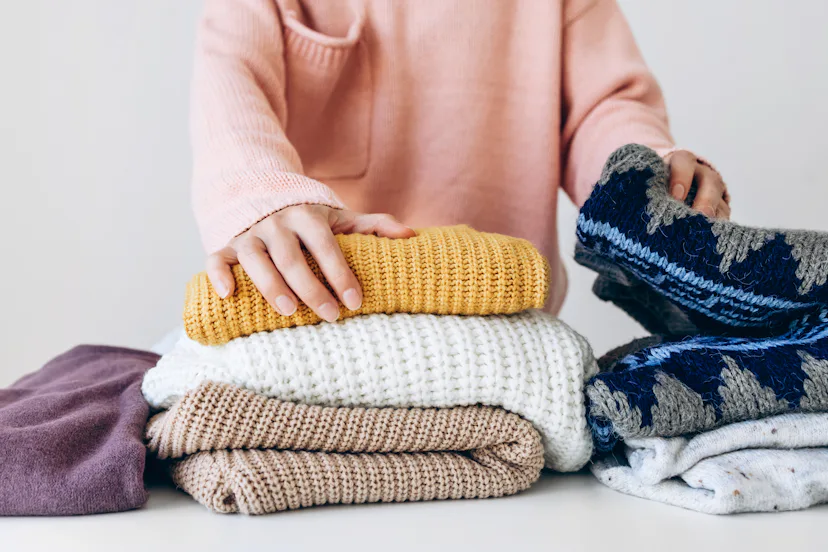
Play around with what’s left, testing combinations you’ve never thought to put together. Lavo suggests experimenting with layering techniques, tucking methods, proportions, and color pairings to make old pieces feel new.
Donate what you discard to reputable charities (like Goodwill and local clothing drives), give pieces to your friends, sell your clothes on resale sites to earn some extra cash, and store sentimental pieces you don’t want to toss in a separate area.
Mind The Closet Gaps
Catalog your outfits for a week by taking photos and recording how you felt in each ’fit, and note any items you wish you could add or change. Maybe you noticed that layering a turtleneck under a vest was visual overload, and you prefer more minimalist styling, or that having a variety of skirt lengths would make your wardrobe more interesting.
“The hardest part about getting dressed is remembering the clothes that you have in your closet and how you can make them into an outfit,” Rose says. By tracking pieces you feel good in, you can identify the characteristics to lean into going forward.
Work On Your Wardrobe
This is a marathon, not a sprint. “The rebuild is about discovering who you’re becoming,” Baldwin says, adding that this part should feel “slow, intentional, and deeply considered.” And that can be accomplished regardless of your budget.
A Tailor Is Your Best Friend
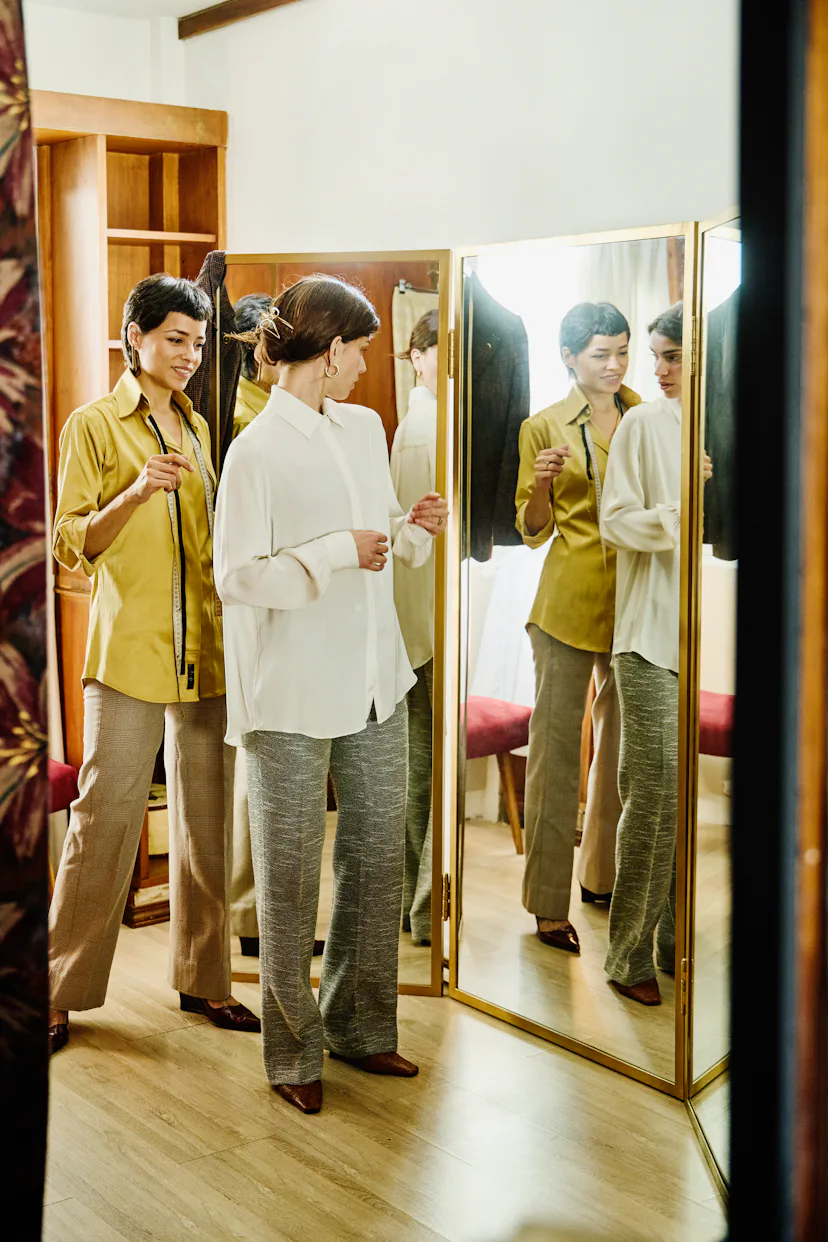
“Even inexpensive pieces look couture when tailored,” Lavo says. A suit that highlights your exact proportions? Immediately polished. Meanwhile, jeans that are the perfect length can take a casual look from frumpy to chic. Depending on where you go and the task’s complexity, alterations could start around $15 per piece.
Splurge-Free Shopping
All the stylists agree: Prioritize buying vintage over new pieces. The RealReal, Vestiaire Collective, eBay Luxury, or consignment shops (where you can snag designer goods for anywhere from 40% to 80% off) are great high-end options, while Depop is great for more thrifted secondhand finds.
To shop for less, Lavo recommends Cos, Aritzia, Revolve, Mango, and Zara, as well as payment plan tools like Afterpay.
Other ways to cut costs? Typaldos suggests organizing clothing swaps with friends or shopping at sample sales. She also recommends supporting emerging designers, since their price points for unique pieces are sometimes more accessible. You can find up-and-comers by paying attention to Fashion Week calendars, particularly the late-night slots, Rose says.
Rental services like Nuuly or Rent the Runway allow you to borrow six to 10 items for about $100 per month. These are great for those undergoing weight fluctuations or who want to try a few looks before committing to a style.
Start Slowly
Don’t buy in bulk. “Start with one or two pieces; see what works in real life,” Baldwin says. “Slow, iterative purchases always create better style than a rush overhaul.” If you’re going to shop, opt for investment pieces, like a statement coat or bag, depending on what you’ve identified as a closet gap or what aligns most with your vision.

Find “Your Thing”
This could be a silhouette (Carpenter’s tiny bottoms), a color story (Grainge’s sophisticated neutrals), or texture (Roan’s affinity for fringe and feathers).
“That doesn’t just mean clothing,” Forbes-Bell says. Accessorizing can be done with jewelry or bags, but also with nail polish, hair styles, and glam.
Forget About Feedback
Resist the urge to seek outside opinions as you change up your look. “Do not get on that group chat,” Typaldos warns. “People are going to tell you different things, and then it doesn't really become about you.” A great alternative, she says, is to ask one trusted person whose style you really admire.
Welcome the attitude shift that comes with looking — and, in turn, feeling — good. Then sit back and watch your life follow suit.
