The Slow Living Era Is Here — And It's Actually the Most 'Live Big' Thing You Can Do
The cultural shift away from hustle isn't about doing less — it's about making more room for the moments that actually matter.
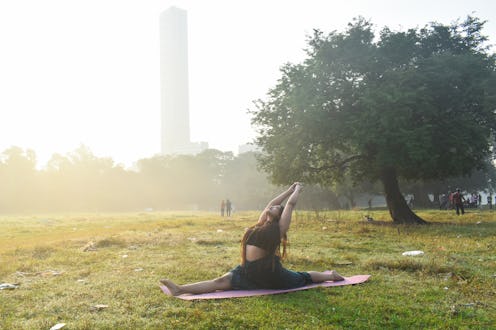
There's a shift happening — subtle enough that you might not have named it yet, but you've definitely felt it. The group chats aren't buzzing with productivity hacks anymore. The content dominating your feed isn't "how to do more with less time." It's the soft morning routines, the slow weekends, the women choosing long dinners over late nights at their desks.
Slow living is having a cultural moment. And honestly? It makes a lot of sense.
So What Is Slow Living, Really?
Here's what slow living is not: a personality type for people who have given up, a rejection of ambition, or some cottagecore fantasy that requires moving to the countryside. It's actually much simpler — and much more accessible — than that.
Slow living is the choice, made over and over again, to prioritize quality over quantity. The Saturday spent cooking a real meal instead of ordering in. The phone face-down at dinner. The boundary around work hours that you actually keep. It's not about doing less for the sake of it. It's about doing the right things and being present for them.
The women powering this cultural shift aren't checking out. They're checking in — to their lives, their relationships, the moments worth being in.
Why Your Body Is Probably Begging You to Slow Down
The research behind slow living is pretty compelling. Studies linking chronic time pressure to elevated cortisol, cardiovascular risk, and burnout have been stacking up for years — but it's only recently that mainstream culture has started listening.
What scientists studying rest and mindfulness have found: unstructured, low-stimulation time isn't wasted time. It's when your brain consolidates what it's learned, processes emotions, and generates creative thinking. Giving yourself space to breathe, it turns out, is one of the most productive things you can do.
Which is maybe why the women who've leaned into slow living tend to describe not doing less — but feeling better about everything they do.
What It Actually Looks Like Day-to-Day
Nobody overhauled their entire life overnight to get here. Most people start small. A screen-free morning. A lunch break spent actually outside. The decision to say no to one thing a week without guilt.
The changes compound. When you're not rushing through every moment to get to the next thing, the moments themselves get better. The dinner tastes different when you cooked it. The conversation lands differently when your phone isn't in your hand.
For a lot of women, it starts with asking one question: what parts of my day feel the most pressured, and can I ease that, even a little?
Why This Feels Like Such a Counter-Cultural Choice
Here's the honest part: slow living is a choice that swims against a lot of cultural current. Productivity content is still everywhere. Busy is still used as shorthand for important. The idea that rest is earned, not just deserved, is deeply ingrained.
But the conversation is shifting. The aesthetic of overwhelm — the packed calendar, the constant availability, the "I'll sleep when I'm dead" mentality — has lost a lot of its shine. What women are gravitating toward looks a lot more like: an afternoon with no plan, a morning without rushing, a life that actually has room in it.
How to Start Without Blowing Up Your Whole Routine
You don't need a complete lifestyle overhaul. The entry point for slow living is exactly wherever the pace feels hardest to maintain.
Pick one moment in your day that's consistently rushed — mornings, evenings, the commute — and experiment with what happens if you give it more time. Not a dramatic restructuring. Just a little more room.
The reward tends to be immediate. Not because slowing down is magic, but because it's the thing your nervous system has been asking for. Living big doesn't always look like moving fast. Sometimes it looks like knowing exactly when to stop.
