Hair
"Skin-Tone Hair" Is The Quiet Luxury Trend Taking Over TikTok
References include PinkPantheress and Ariana Grande.
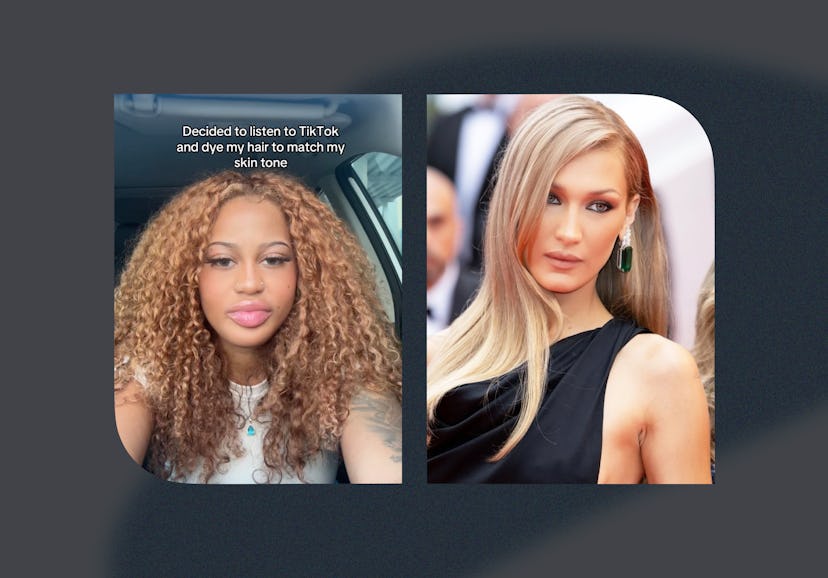
The hair color trend that’s been doing numbers on TikTok isn’t even a color at all. Or at least, it changes for everybody. Scroll long enough, and you’ll see creators trading before-and-afters — black to platinum, brunette to caramel, blonde to beige — all chasing one thing: hair that matches their skin tone.
Skin-tone hair isn’t about toning things down, per se. In fact, the switch-up can be just as dramatic as any other dye job. But instead of chasing contrast for the sake of change, it redirects that energy toward finding a color that actually works with your complexion — an individualized approach to a beauty trend that feels refreshingly rare on TikTok. The result? Hair that looks like it’s made for you, even though achieving it is anything but a coincidence.
Keep scrolling for everything to know about the trend, including how to figure out which shade works for you.
What Is Skin-Tone Color Hair?
According to stylist Rogerio Cavalcante, owner of The Second Floor Salon in New York City, skin-tone hair flips the usual coloring philosophy on its head. “I describe it as a tonal approach to color,” he says. “The shades are chosen to harmonize with the client’s complexion rather than stand in contrast. It’s less about obvious highlights and more about creating a seamless, believable color that feels inherently tied to the person wearing it.”

TikTok creators are pulling reference photos from the 2000s — pointing to celebs like Tyra Banks, Jessica Alba, and Sofia Vergara as early adopters of complexion-flattering color that looks polished rather than high-contrast. The difference is, today’s version arrives alongside an ongoing fixation with quiet luxury.

“It’s reflected in stars like Hailey Bieber, Sofia Richie Grainge, and Zendaya, who have leaned into tonal, understated hair on red carpets,” Cavalcante notes. “Fashion’s move toward neutrality and restraint plays a big role here.”

Add to that beauty’s current emphasis on “enhancements,” and it’s easy to see why skin-tone hair is having a moment. “It aligns with the broader shift toward skin-first beauty, minimal makeup, and thoughtful self-presentation,” Cavalcante says. “There’s a clear move away from overt transformation and toward enhancement — beauty that looks effortless but is highly considered.”

The best part? The payoff isn’t just about aesthetics. Cavalcante says the low-contrast approach results in color that looks healthier, shinier, and more expensive overall. And because the shades are designed to grow out gracefully with lots of lowlights, maintenance can feel less intense than high-contrast dye jobs — meaning fewer harsh lines at the root and more time in between appointments.
How To Try The Look

Figuring out the right color for you starts with understanding your complexion — especially your undertones — because colorists look for shades that echo the natural warmth or coolness in the skin. “That said, it’s highly adaptable,” Cavalcante says. “Clients who still want a bit of impact can tweak it with strategic brightness around the face or soft depth through the interior to maintain dimension without losing the low-contrast effect.”

Tan, olive skin suits a caramel brunette with honey highlights that reflect golden undertones. Deep, cooler complexions shine with espresso shades, while auburn-brown blends flatter those with warmer skin undertones. Even pale girlies — despite what TikTok might suggest — can get in on the trend through beige blondes and champagne tones, which create a softer brightening effect. The goal isn’t always exact matching, but cohesion.

Whatever lane you land in, depth matters. Low contrast doesn’t mean low interest, after all. “Subtle shifts in tone such as micro-highlights, soft lowlights, and reflective glosses are key,” Cavalcante says. Hair health is another key factor. “When the hair is well cared for, it reflects light beautifully. Consistent treatments, such as the Brazil Edition Hair Mask, help maintain shine and softness so the color looks rich and dimensional, not flat.”

Ultimately, skin-tone hair is less about copying a viral reference and more about collaborating with your colorist to land on something tailored. You can bring inspiration photos, but expect the final shade to reflect your undertones and maintenance habits. The result delivers what Cavalcante describes as “color that feels intentional rather than trend-driven” — hair that looks elevated and entirely your own.
